Media Relations in Zambia: Understanding a Rapidly Evolving Media Landscape
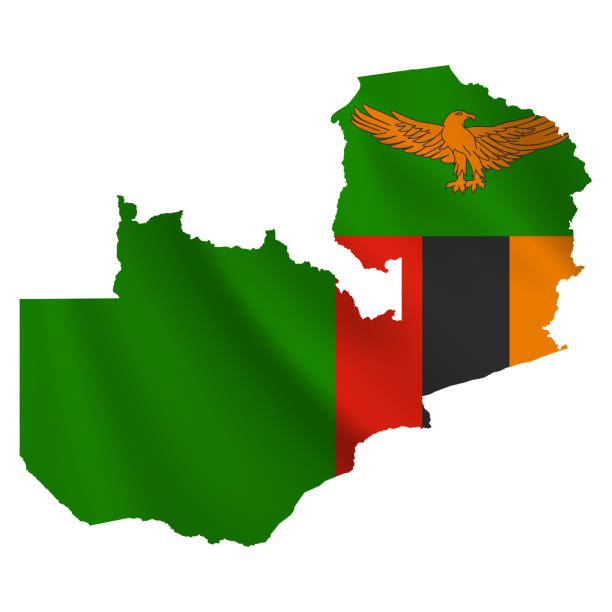
Media Relations in Zambia: Understanding a Rapidly Evolving Media Landscape
A landlocked country at the crossroads of Southern, Central, and East Africa, Zambia boasts a diverse and pluralistic media landscape that is currently undergoing significant regulatory changes ahead of the 2026 general elections. For communication professionals looking to implement a media relations strategy in the country, understanding the balance between public, private, and community media is essential.
A Pluralistic Media Landscape Dominated by Radio
The Zambia National Broadcasting Corporation (ZNBC), the country's public broadcaster, operates three television channels and three radio stations. It is complemented by two state-owned daily newspapers, Times of Zambia and Zambia Daily Mail, both managed through the government's communication agency, ZANIS.
The private media sector is also well established, with 42 television stations, including Prime TV, Diamond TV, and MUVI Television, as well as approximately 120 radio stations across the country. Radio remains, by far, the primary source of information for the Zambian population.
Influential Independent Newspapers
Three independent newspapers play a leading role in public debate and investigative journalism: News Diggers, The Mast, and Daily Nation. Known for their more critical editorial stance, these outlets are key channels for reaching educated urban audiences, although they sometimes operate under political and legal pressure.
An Evolving Regulatory Framework
Broadcast media in Zambia is regulated by the Independent Broadcasting Authority (IBA), which has introduced new broadcasting guidelines ahead of the 2026 general elections to ensure balanced coverage of political stakeholders.
Zambia ranks 77th out of 180 countries in the 2026 Reporters Without Borders (RSF) World Press Freedom Index. Press freedom has generally improved since the election of President Hakainde Hichilema in 2021, although concerns remain regarding the treatment of opposition voices.
Languages and Linguistic Diversity
English is Zambia's official language and dominates printed media. However, most of the population primarily communicates in local languages, including:
Bemba (approximately 35% of the population)
Nyanja/Chewa (20%)
Tonga (12%)
Lozi (6%)
Media relations campaigns targeting rural communities should therefore incorporate local-language radio stations to maximize audience reach and engagement.
Practical Tips for Media Relations in Zambia
Prioritize local and community radio stations to effectively reach rural audiences, particularly through broadcasts in national languages.
Target independent newspapers such as News Diggers, The Mast, and Daily Nation to secure credible coverage among urban and professional audiences.
Work through ZANIS when communicating on institutional or government-related topics that require official endorsement.
Remain mindful of the political context, especially during election periods, and carefully select media partners accordingly.
Zambia perfectly illustrates the diversity of Africa's media markets: dynamic and vibrant, yet requiring a deep understanding of local linguistic, political, and regulatory realities. Mastering these nuances can make the difference between a media relations campaign that delivers meaningful impact and one that goes unnoticed.
Similar articles
Loading similar posts...
Subscribe to our Newsletter
Don't miss anything! Subscribe to our newsletter to receive the latest articles, tips, and news directly in your inbox.
Aucun tag disponible pour le moment.