Communication and Media Relations in Angola: Understanding a Media Landscape in Transition
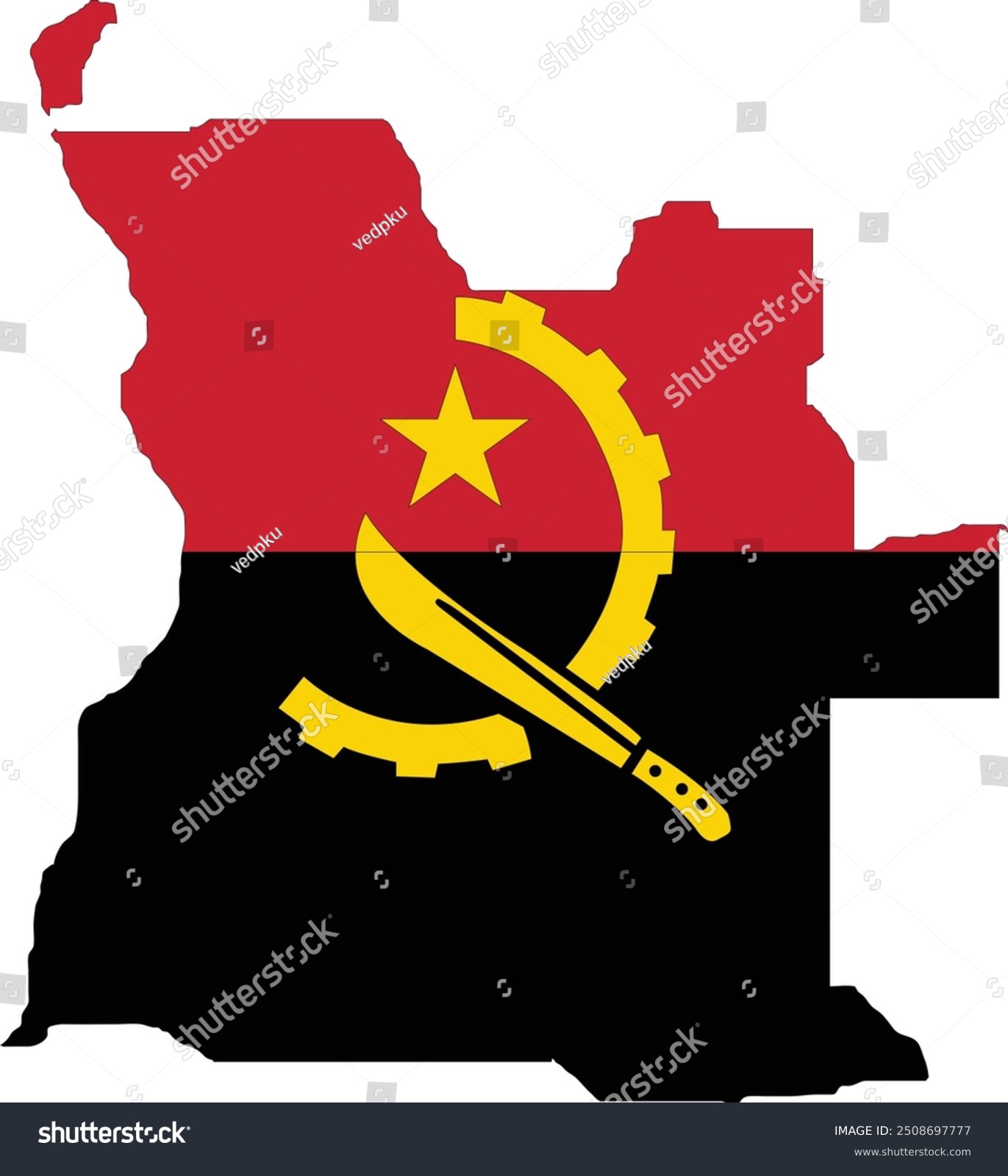
Communication and Media Relations in Angola: Understanding a Media Landscape in Transition
Angola, a key country in Southern Africa, has a rapidly evolving media landscape marked by a strong presence of state-owned media, a gradual opening of the private sector, and increasing digitalization. To succeed in communication and media relations in Angola, it is essential to understand local dynamics, the regulatory framework, and journalists’ working practices.
1. Angola at a Glance
Independence: 1975
Population: approximately 36 million
Official language: Portuguese
Other languages spoken: Umbundu, Kimbundu, Kikongo
Institutions and regulation:
Ministry of Telecommunications, Information Technologies and Social Communication
ERCA (Entidade Reguladora da Comunicação Social Angolana) – media regulatory authority
Professional associations:
Sindicato dos Jornalistas Angolanos (SJA)
Comissão da Carteira e Ética dos Jornalistas de Angola (CCEAJ)
2. Press Freedom: Gradual Opening with Strong Oversight
Opportunities
Recent reforms aimed at liberalizing the media sector
Growth of private media outlets and digital platforms
Increasing interest in economic, social, and innovation-related topics
Limitations
Historical influence of the State over public media
Ongoing self-censorship on politically sensitive issues
Media access sometimes more institutional than journalistic
Key takeaway:
Public television and radio remain highly influential, while online media are rapidly gaining ground, particularly among urban youth.
3. Main Angolan Media Outlets
Print media
Jornal de Angola
O País
Novo Jornal
Valor Económico
Radio
Rádio Nacional de Angola (RNA)
Rádio Luanda
Rádio Mais
Rádio Ecclesia
Television
TPA 1 & TPA 2 (public channels)
TV Zimbo
TV Palanca
Online media
Angola24Horas
Platinaline
4. Specificities of Media Relations in Angola
Portuguese is essential for effective communication.
Public media remain key channels for nationwide visibility.
Journalists favor official, data-driven, and institutionally solid information.
Personal relationships and source credibility play a crucial role.
Business and economic media pay close attention to investment, energy, and infrastructure projects.
5. The Growing Role of Social Media in Communication in Angola
Social media are playing an increasingly strategic role in Angola’s communication landscape, particularly among urban youth and connected middle classes. They serve as information dissemination channels, spaces for public debate, and indirect relays for traditional media.
The most widely used platforms are Facebook, WhatsApp, Instagram, and, to a lesser extent, X (formerly Twitter) and TikTok. Many Angolan journalists, media outlets, and influencers rely on social media to share information, announce reports, and comment on current affairs.
6. Tips for Successful Communication in Angola
Write press releases in Portuguese, using a clear and factual style.
Prioritize national media for major announcements.
Adapt messages to local priorities (development, employment, innovation).
Favor a personalized approach with key journalists.
Complement traditional media outreach with digital dissemination to reach urban audiences.
Conclusion
Angola offers real media opportunities for organizations that can adapt to its institutional and linguistic framework. By combining public media, private press, and digital platforms, and by relying on structured and credible messaging, it is possible to build effective and sustainable communication in the country.
Similar articles
Loading similar posts...
Subscribe to our Newsletter
Don't miss anything! Subscribe to our newsletter to receive the latest articles, tips, and news directly in your inbox.
Aucun tag disponible pour le moment.